

Analyzing How a Local DUI Attorney Understands Local Courts and Procedures
Facing a DUI charge can be overwhelming, as legal proceedings often involve complex regulations, strict timelines, and serious consequences. Engaging a local DUI attorney who understands the nuances of local courts and procedures can make a significant difference in the outcome of a case. These attorneys possess insight into judicial preferences, procedural expectations, and community standards that may influence both trial and negotiation strategies. Their local knowledge extends beyond statutory law to encompass courtroom culture, administrative processes, and relationships with key legal figures. According to the NHTSA, every day, about 34 people in the United States die in drunk-driving crashes; that's one person every 42 minutes. The high stakes of DUI cases underscore the critical role that experienced local attorneys play in guiding clients through the legal system safely and effectively.
Observing the Importance of Localized Knowledge
A local DUI attorney brings significant value through intimate knowledge of court personnel and their tendencies. Judges, prosecutors, and clerks all operate within distinct procedural and cultural frameworks that can subtly influence case outcomes. Attorneys who understand these patterns can anticipate courtroom responses, tailor arguments, and strategically present evidence to align with local expectations. This familiarity can increase the likelihood of favorable plea negotiations, reduced charges, or leniency during sentencing. The depth of understanding gained from working within a specific jurisdiction over time is an invaluable asset in DUI defense.
Local legal knowledge also allows attorneys to navigate unspoken procedural norms that might otherwise disadvantage a client. For example, certain judges may respond better to specific presentation styles or expect evidence to be introduced in a particular manner. A local DUI attorney can prepare for these subtleties, ensuring compliance with local customs while maintaining the rigor of legal argumentation. By leveraging these insights, attorneys not only protect their clients' rights but also streamline proceedings to minimize delays and procedural errors.
Understanding Courtroom Etiquette
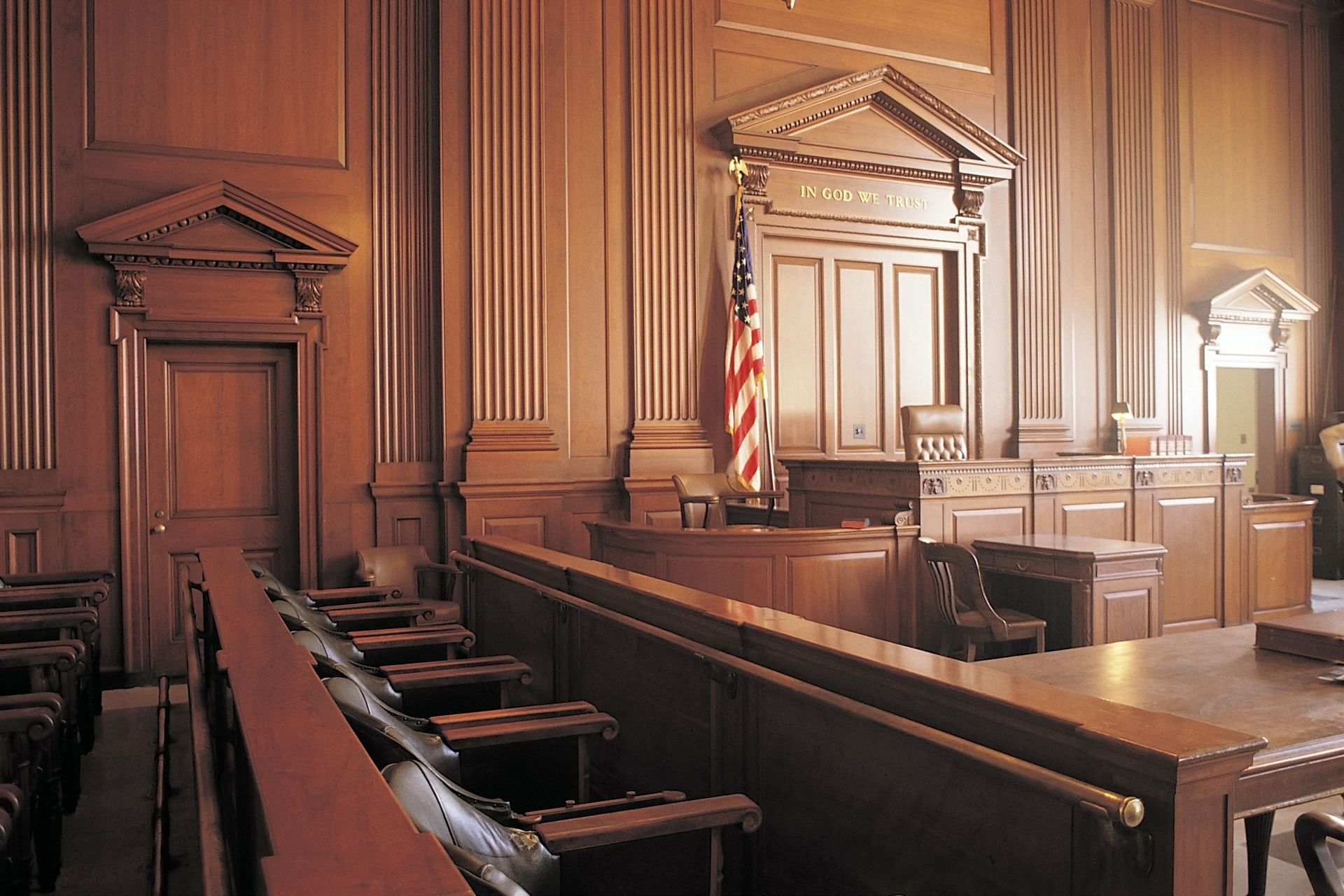
Courtroom decorum is often more than formal tradition; it directly impacts how cases are perceived by judges and juries. Local DUI attorneys understand the specific expectations of their jurisdiction regarding behavior, tone, and presentation. They know when to object, how to address the bench, and the protocols for introducing evidence. Respecting these nuances can prevent miscommunications and reinforce professional credibility, which may influence judicial discretion during proceedings.
Beyond mere adherence to rules, understanding courtroom etiquette enhances strategic positioning. Attorneys can anticipate informal dynamics, such as the way certain judges interact with opposing counsel or respond to mitigation requests. By maintaining professionalism while navigating these subtleties, a local DUI attorney maximizes opportunities for client advocacy and demonstrates preparedness, which can be persuasive in both trial and negotiation contexts.
Navigating Court Schedules and Procedures
Efficiently managing court schedules and procedural requirements is essential in DUI cases, where timing can significantly affect outcomes. Local DUI attorneys have an in-depth awareness of judicial calendars, filing deadlines, and procedural nuances, enabling them to strategically plan appearances and motions. This knowledge prevents any unnecessary delays, ensures compliance with statutory requirements, and optimizes the allocation of resources during the process of litigation.
Understanding local court procedures also allows attorneys to anticipate how cases are typically processed in a particular jurisdiction. From pre-trial motions to hearing schedules, these insights enable a local DUI attorney to advise clients on realistic timelines and manage expectations effectively. Proper procedural navigation can reduce the risk of missed deadlines or procedural errors that might otherwise compromise the defense.
Analyzing DUI Laws That Are Jurisdiction-Specific
DUI laws vary not only between states but also among counties, affecting penalties, diversion opportunities, and prosecutorial approaches. A local DUI attorney is acutely aware of jurisdiction-specific nuances and can leverage them to benefit their client. For instance, some counties may offer unique plea agreements, probationary options, or diversion programs that an attorney familiar with local practice can strategically employ.
In addition, knowing the scope of local DUI statutes allows for the identification of potential legal defenses that may not be widely recognized outside the area. By combining legal expertise with local procedural knowledge, attorneys can craft a defense that accounts for both the letter of the law and the cultural and operational context in which it is enforced. This dual awareness can be pivotal in reducing charges or mitigating consequences.
Reviewing Precedent Cases
Precedent plays a crucial role in DUI defense, particularly when arguing nuances of evidence or sentencing. Local DUI attorneys maintain familiarity with past rulings, enabling them to anticipate judicial responses based on historical patterns. They can reference relevant cases, present comparative arguments, and highlight legal inconsistencies to strengthen their defense strategy.
Access to local case histories also aids in plea negotiation and trial preparation. A local DUI attorney can demonstrate to judges and prosecutors that certain arguments have been accepted in similar circumstances, lending credibility to requests for leniency or procedural consideration. This informed approach ensures that legal strategy is rooted in practical knowledge rather than abstract theory.
Building Professional Local Networks
Strong professional relationships within the local legal community are another asset for DUI defense. Attorneys often collaborate with colleagues, attend regional seminars, and engage in continuing legal education within their jurisdiction. These connections foster the exchange of insights, procedural strategies, and updates on local legal trends that can influence case management.
Networking also provides access to trusted expert witnesses, such as toxicologists, forensic specialists, and rehabilitation counselors, whose input can be decisive in DUI cases. By cultivating these relationships, a local DUI attorney can assemble a comprehensive team capable of presenting a well-rounded defense that leverages both legal and technical expertise.
Establishing Rapport with Judges
A positive professional reputation with local judges can affect the handling of DUI cases. Judges value attorneys who demonstrate competence, integrity, and respect for court protocols. A well-regarded local DUI attorney may find more flexibility in scheduling, plea discussions, and evidentiary considerations. While reputation alone does not guarantee favorable outcomes, it facilitates smoother interactions and can create opportunities for discretionary leniency.
This rapport must be earned over time through consistent ethical practice and preparedness. Attorneys who cultivate these relationships do so without compromising objectivity or client advocacy. By combining legal proficiency with professional demeanor, they ensure that their interactions with the court reinforce credibility and effectiveness.
Gaining Clients' Trust through Local Experience
Clients facing DUI charges are often anxious and uncertain. Choosing a local DUI attorney with proven success in the jurisdiction provides reassurance and builds confidence. Familiarity with local courts, prosecutors, and typical case trajectories allows attorneys to offer realistic guidance and tailored strategies, fostering client trust and cooperation.
Trust also encourages open communication, which is vital for building an effective defense. Clients are more likely to provide complete and accurate information to an attorney whose experience aligns with the local legal landscape. This information is critical in evaluating evidence, identifying potential defenses, and strategizing courtroom approaches.
A local DUI attorney offers far more than general legal knowledge; they provide a nuanced understanding of local courts, procedural expectations, and community standards. Their expertise encompasses courtroom etiquette, case law precedent, professional networks, and jurisdiction-specific DUI statutes, all of which combine to strengthen defense strategies. With each DUI case carrying significant personal and legal consequences, this local insight is indispensable. According to the NHTSA, every day, about 34 people in the United States die in drunk-driving crashes; that's one person every 42 minutes, highlighting the societal importance of competent representation.
By leveraging localized knowledge, established relationships, and expert collaborations, a local DUI attorney ensures that clients receive a strategic, informed, and effective defense tailored to their jurisdiction. Engaging professionals who understand local courts and procedures empowers clients to navigate complex legal landscapes confidently, minimizing risk while maximizing opportunities for favorable outcomes. Ultimately, choosing an attorney with both expertise and community insight is essential for achieving justice in DUI cases.


Share On: